
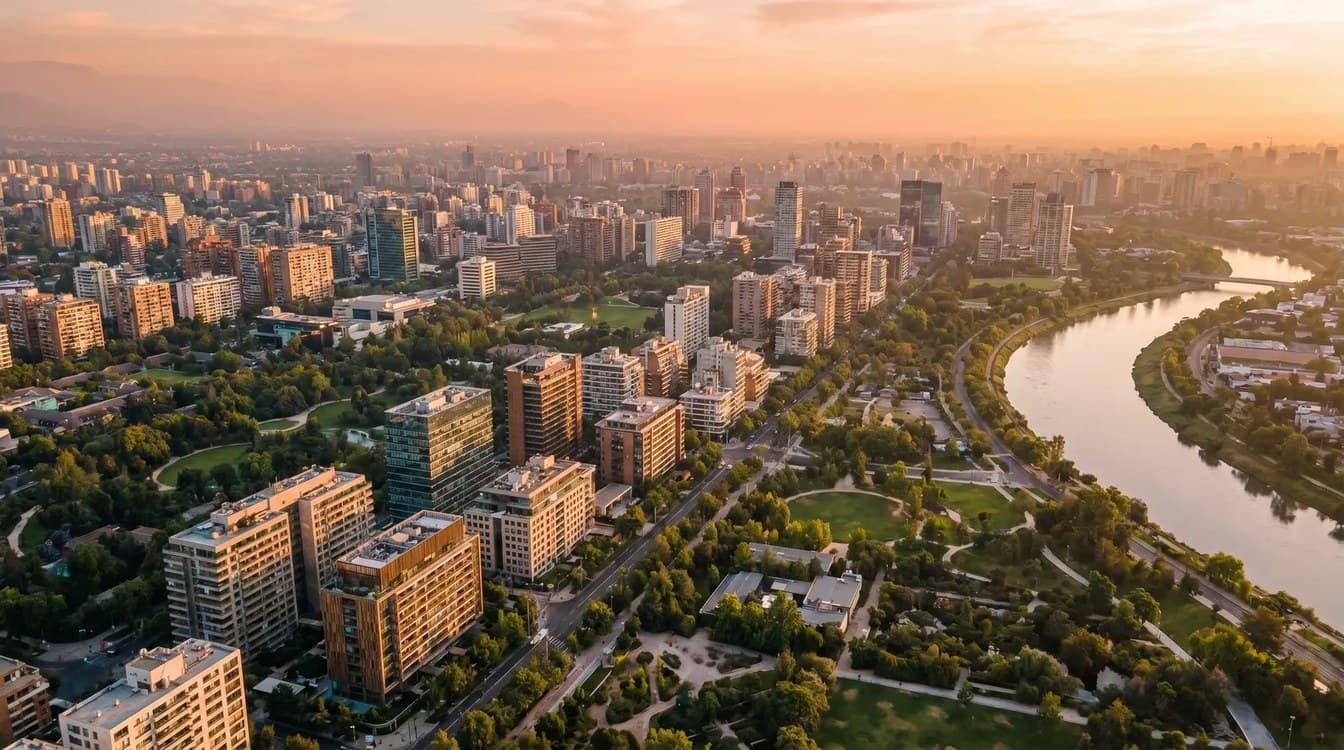
In 2025, Paraguay's Dirección Nacional de Migraciones received 47,687 residency applications, a 63 percent jump over the year before. The first quarter of 2026 saw another 85 percent increase year over year. Behind those numbers is a quiet shift. Remote workers, families looking for a calm second base, and crypto investors are choosing Paraguay over the usual suspects like Portugal, Panama, and the UAE. This is not a coincidence. Paraguay now sits at the intersection of three benefits that almost no other country combines, a zero percent tax on foreign income, a clear path to permanent residency in a single process, and a cost base low enough that the math actually works. This post is the case for why.
Why Paraguay Has Become the Quiet Favorite of 2026
For most of the last two decades, Paraguay sat outside the conversation about second residencies and tax friendly bases. That changed faster than most observers expected. In 2024, the country processed roughly 28,000 residency applications. In 2025, that number climbed to 47,687, with 40,600 grants. The first quarter of 2026 saw 18,071 new applications filed, an 85 percent increase over the same quarter of 2025.
The demographic mix has shifted as well. Where Paraguay's foreign residents were once predominantly Brazilian, Argentine, and Mennonite German, the recent wave includes a growing share of Russians, Israelis, Poles, Ukrainians, Americans, and Western Europeans. Most are not coming for cheap retirement. They are coming because Paraguay has quietly become one of the few remaining countries that combines a clear residency path, a zero percent territorial tax on foreign income, and a cost base low enough that the math actually works.
The Three Things Paraguay Actually Offers That Other Countries Don't
Most second residency programs offer one strong benefit and a list of compromises. Paraguay's appeal is the unusually clean intersection of three.
Zero percent territorial taxation on foreign income. Paraguay taxes only income sourced within its borders. Money earned abroad, from a remote job, a foreign client, an offshore business, or investments held outside the country, is not taxed in Paraguay. The framework was clarified by the tax authority's General Resolution 73/2020, which tied the source rule to where the work is actually performed. There is no minimum stay requirement to maintain residency status, though you must visit at least once every three years to keep your cédula valid. Note that residency and tax residency are separate. Holding a cédula does not by itself make you a Paraguayan tax resident; that requires registering for a RUC and establishing your center of economic interests in the country.
A clear, structured route to permanent residency. Under Law 6984/2022, the standard path runs in two steps: roughly two years of temporary residency, then conversion to permanent. Direct permanent residency, without the temporary phase, is available only through the separate Investor Pass routes introduced under Resolution 0283/2026: productive investment (USD 70,000 plus five formal jobs), real estate (USD 200,000), financial instruments (USD 200,000 held for two years), or tourism (USD 150,000 with a business plan). Itaju handles the standard route. Citizenship eligibility follows three years after permanent residency, faster than most comparable programs.
A cost base that lets the other benefits matter. Asunción remains one of the more affordable capitals in the Western Hemisphere. A comfortable furnished one bedroom in Villa Morra or Carmelitas runs roughly USD 400 to 600 per month. A family of three can live well on USD 2,000 to 3,000 monthly all in. The savings rate that becomes possible when zero percent foreign income tax meets a low cost of living is what makes Paraguay materially different from Portugal or Panama, where tax benefits often get partly absorbed by higher living costs.
Who Paraguay Residency Is For, And Who Should Look Elsewhere
Paraguay genuinely fits three kinds of people. The first is the remote earning entrepreneur whose income flows from foreign clients or foreign companies. Consultants, software developers, agency owners, content creators, and ecommerce operators all fit. The territorial tax rule applies cleanly to their situation, and the lifestyle base suits a remote first workflow.
The second is the family seeking a credible Plan B with a clear path to citizenship for the next generation, without committing to expensive Caribbean passport by investment programs.
The third is the crypto operator. Paraguay's tax framework on foreign sourced crypto gains remains favorable, and the country has been one of the more welcoming jurisdictions for mining operations thanks to its surplus hydroelectric power from Itaipú.
Paraguay is not the right answer for everyone. If your priority is a strong travel passport for immediate use, the Paraguayan passport ranks reasonably but is not in the top tier, and citizenship takes at least three years from permanent residency. If you are unwilling to ever set foot in the country, since biometric capture, ID issuance, and certain bank procedures still require physical presence, then Paraguay's residency will not function for you regardless of how favorable it looks on paper. And if you need the prestige and EU access of a European residency, no Latin American program will substitute.
Honest qualification matters. The applicants who succeed in Paraguay are the ones who choose it for the right reasons and arrive with realistic expectations.
Paraguay vs. The Usual Alternatives
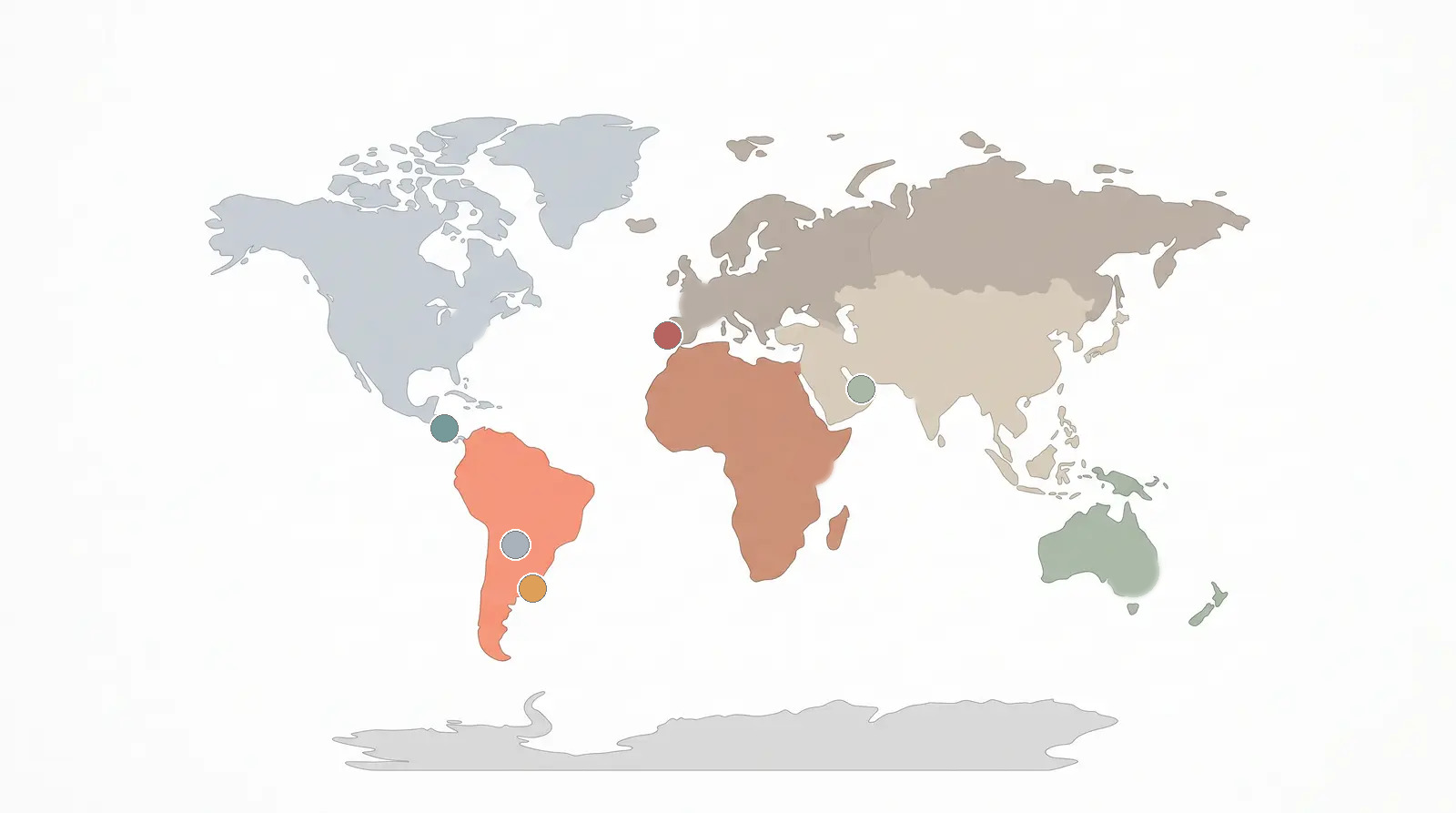
The table below summarizes the most relevant comparisons for 2026. All cost figures are typical all in totals for a single applicant, covering government fees, professional or legal assistance, and document preparation. Investment thresholds and minimum income requirements where they apply are listed in their own column and excluded from these totals.
| Country | Minimum Stay to Maintain | Foreign Income Tax | Years to Citizenship | Investment / Income Requirement | Typical All In Application Cost (USD) |
|---|---|---|---|---|---|
| Paraguay | One visit every 3 years | 0% (territorial) | 3 years after permanent | None for standard route | $2,000 to $3,000 |
| Uruguay | One visit every 3 years | 0% during 10 year holiday, then up to 12% on foreign capital income (foreign salary stays 0%) | 3 years (with family in Uruguay) / 5 years (single) | None for standard route | $1,500 to $3,500 |
| Panama (Friendly Nations) | No minimum stay | 0% (territorial) | 5 years after permanent | $200K bank deposit, $200K real estate, or employment | $3,000 to $7,000 |
| Portugal (D7) | 6 to 8 months per year | Standard EU progressive rates | 10 years (7 for EU/CPLP) under May 2026 law | €920 per month passive income | $2,500 to $5,500 |
| UAE (Green Visa) | No minimum stay | 0% on personal income | Not realistic | AED 15K/month (~$4,080) salary or AED 360K/year (~$98K) freelancer income | $1,200 to $1,800 + freelance permit ~$1,600 to $2,700 |
| UAE (Golden Visa) | No minimum stay | 0% on personal income | Not realistic | AED 2M (~$545K) property or AED 30K/month (~$8,170) salary | $2,500 to $5,000 + business license ~$3,200 to $13,600+ |
The pattern is consistent. Paraguay is among the cheapest and least restrictive of the credible options for someone whose primary goal is zero percent foreign income tax with a clear citizenship runway. Portugal offers EU access but at materially higher cost, demands actual residence on the ground, and as of May 2026 has extended the citizenship timeline to ten years for most applicants under the new nationality law. The UAE offers excellent infrastructure and no personal income tax through either its Green Visa (for skilled workers and freelancers) or its Golden Visa (for investors and high earners), but neither leads to a realistic path to citizenship. Panama is comparable to Paraguay on the tax side but materially more expensive on the application side, with legal fees driving the gap. Uruguay is the closest direct competitor and is the right answer for those who want a more developed urban lifestyle and are willing to spend 183 days per year there to claim tax residency. Paraguay wins on flexibility. Uruguay wins on infrastructure.
Where Paraguay Fits in 2026
Paraguay is not a magic answer to anything. It is, however, one of the few remaining countries where a clear residency framework, a zero percent foreign income tax base, and a low cost of living converge in a way that materially changes the math for remote earners and their families. The 2025 application surge and the 85 percent Q1 2026 growth suggest the rest of the world is catching on, but the program remains accessible to anyone willing to gather their documents, visit the country, and follow a process that, while paperwork heavy, is structurally honest.
The case for Paraguay in 2026 is not that it is perfect. The case is that it offers a specific combination of benefits that has become rare. For the right person, the math works in a way it stopped working in Portugal years ago and never quite worked in Panama. That is why the numbers are what they are.