
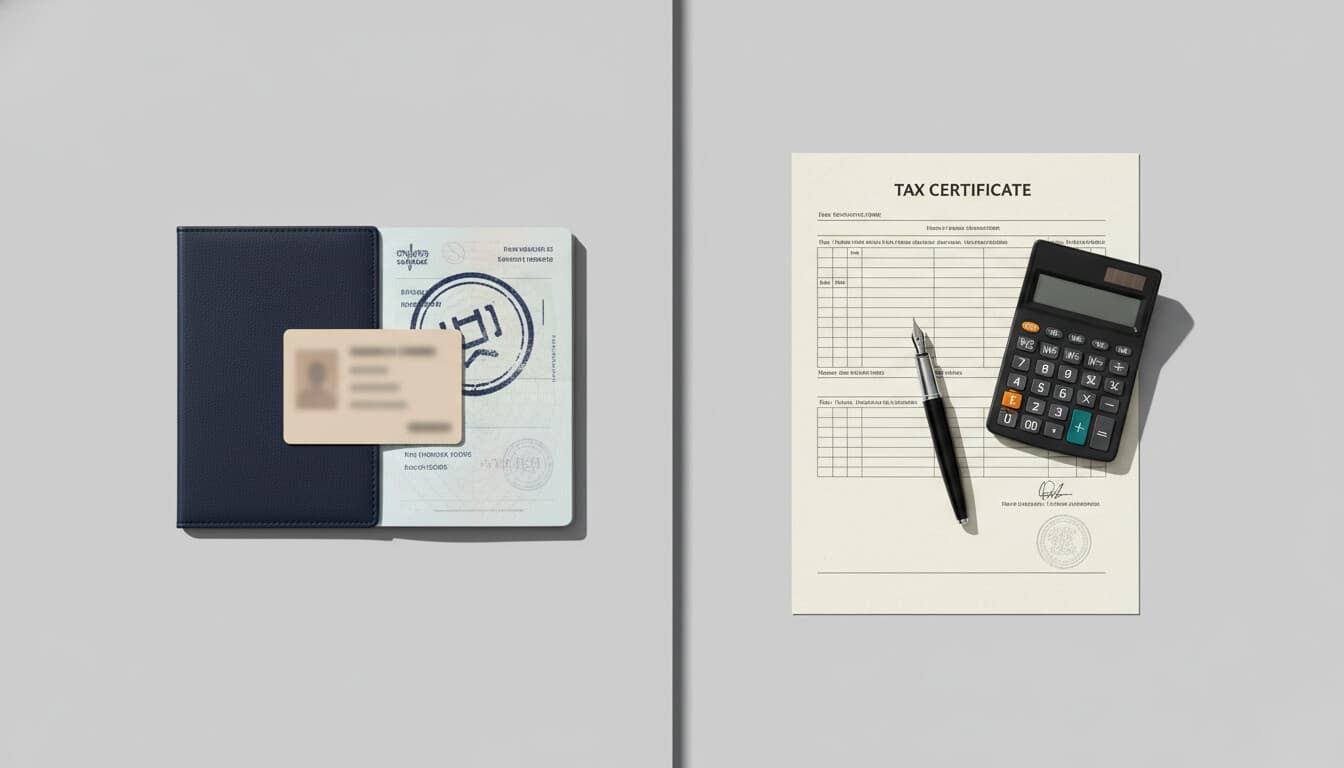
No. This is the single most misunderstood point in the whole Paraguay relocation conversation, so it is worth stating plainly at the start. Holding Paraguayan immigration residency, and even holding the cédula that comes with it, does not by itself make you a Paraguay tax resident. Immigration residency gives you the legal right to live in the country. Tax residency is a separate status that determines where you are liable to be taxed, and reaching it takes additional steps. Confusing the two is the mistake that costs people the most, because they assume the move is done when in fact the part that actually delivers the tax benefit has not been started. This post explains the difference, the steps that connect the two, and the trap that catches most people.
Immigration Residency and Tax Residency Are Not the Same Thing
These are two different legal concepts, issued by two different authorities, for two different purposes.
Immigration residency is your right to live in Paraguay. It is granted through the immigration process, it gives you a cédula, and it lets you stay, work, open a bank account, and build a life in the country. It says nothing about your taxes.
Tax residency is about where you are liable to be taxed. It is established through the tax system, not the immigration system, and it is what allows you to claim the benefits of Paraguay's territorial tax regime and to prove to another country that your fiscal home has moved. You can hold immigration residency and still be treated as a tax resident of your home country. The two do not move together automatically.
Why the Distinction Matters: The 0% Draw
The reason anyone cares about this difference is the territorial tax system. Paraguay taxes only income that is sourced inside its borders. Income earned abroad, from foreign clients, foreign companies, or investments held outside the country, is taxed at zero percent. Local income is taxed at a flat rate of roughly eight to ten percent.
That zero percent treatment is the entire appeal, but it attaches to tax residency, not to immigration residency. If you stop at the immigration stage, you have the right to live in Paraguay and none of the tax benefit that brought you there. This is why getting the second half right matters as much as the first.
The Steps That Connect Residency to Tax Residency
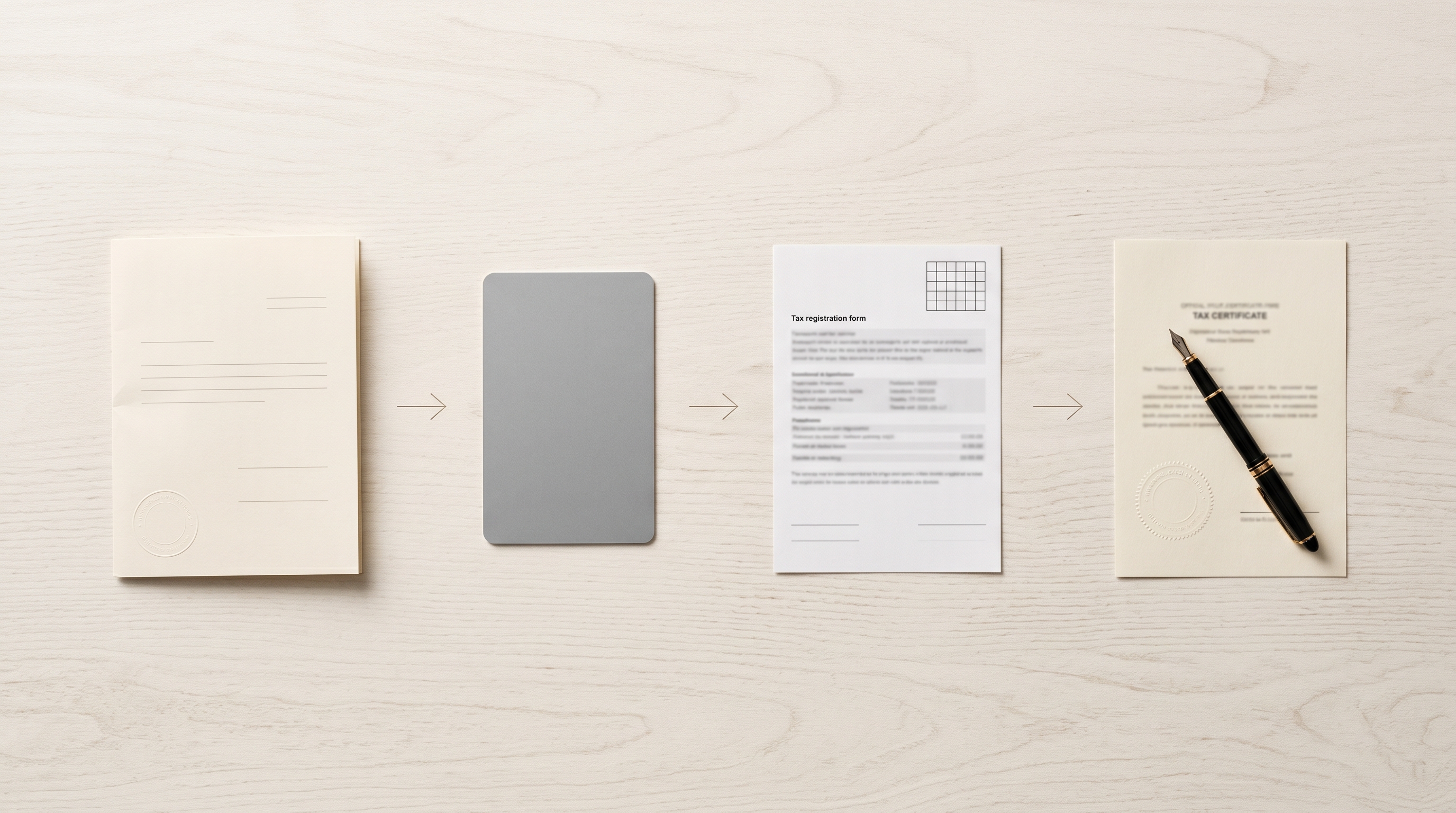
Moving from immigration residency to tax residency runs through a clear sequence.
First, obtain your immigration residency through the standard process.
Second, obtain your cédula, the Paraguayan national identity card. This is required before you can register as a taxpayer.
Third, register for a RUC, the Registro Único de Contribuyentes, which is your taxpayer identification number, issued by the tax authority. Registering for a RUC is what puts you into the Paraguayan tax system as a recognized taxpayer.
Fourth, keep the RUC active. An active RUC means filing the required returns on time, even when there is nothing to declare, which often means submitting blank monthly VAT returns. A RUC that lapses or is frozen stops doing its job.
Only once you hold residency, a cédula, and a live RUC are you recognized by the tax authority as a Paraguayan taxpayer. That is the foundation everything else rests on.
The Tax Residency Certificate and the 120 Day Point
Many people eventually need a tax residency certificate, an official document proving that Paraguay is your fiscal home, usually to present to a bank or to a foreign tax authority. This is separate again from simply having a RUC.
To be issued the certificate for a given year, you generally need to meet one of two conditions. Either your RUC is active, meaning you have kept up your filings, or you have spent more than 120 days in the country that year. For someone who plans to be in Paraguay rarely, the practical consequence is that the active RUC is what keeps the certificate within reach. Let the filings lapse, and you may find the certificate only available in a year you actually spend several months in the country.
This is the layer of nuance that most guides skip, and it is exactly where people get surprised after the fact.
The Trap: Residency Alone Does Not Cut Your Home Country Ties
Here is the part that catches the most people. Establishing tax residency in Paraguay does not automatically cancel your tax residency in your home country. These are two separate questions decided under two separate sets of rules, and the Paraguayan side has no power to switch off the other.
Many countries will continue to treat you as their tax resident until you formally sever your fiscal ties, through their own exit procedures, and some maintain claims based on your home, your family, your economic interests, or simply how many days you spend there. If you obtain Paraguayan residency but leave your home, your family, and your business behind in your old country, that country may well still consider you its tax resident, and the Paraguayan benefit becomes unreachable in practice.
So the real task is two-sided. Establish genuine tax residency in Paraguay, and properly close out tax residency in the country you are leaving. Doing only the first half is the most common and most expensive error in this entire process.
Double Taxation Agreements
Whether a double taxation agreement exists between Paraguay and your specific country can change the outcome. Paraguay has a limited treaty network, far smaller than most developed countries, and the presence or absence of a treaty affects how your two countries resolve a situation where both might claim you.
Because the rules differ so much from one country to the next, this is not something to generalize about. The right move is to confirm whether such an agreement applies to your specific country, and how it interacts with your home country's exit rules, before you rely on any particular outcome.
Getting Both Halves Right
Paraguay's tax system is genuinely one of the most attractive in the world, but the benefit lives in tax residency, not in the immigration residency that people often mistake for the finish line. The move only works when both halves are handled, the Paraguayan side built correctly in the right order, residency then cédula then an active RUC, and the home country side closed out properly under its own rules. Because the second half depends entirely on your nationality and personal situation, the details are worth confirming carefully for your own case rather than assuming the general pattern applies to you.